
NEUROSENSORY INTEGRATION
Neurosensory Integration is a family-centered, neurodevelopmental approach focused on optimizing brain and body health in children with sensory, motor, and developmental challenges. Our care integrates advanced principles of neuroplasticity, sensory integration, and motor control to support the autonomic nervous system (ANS) and promote functional independence.
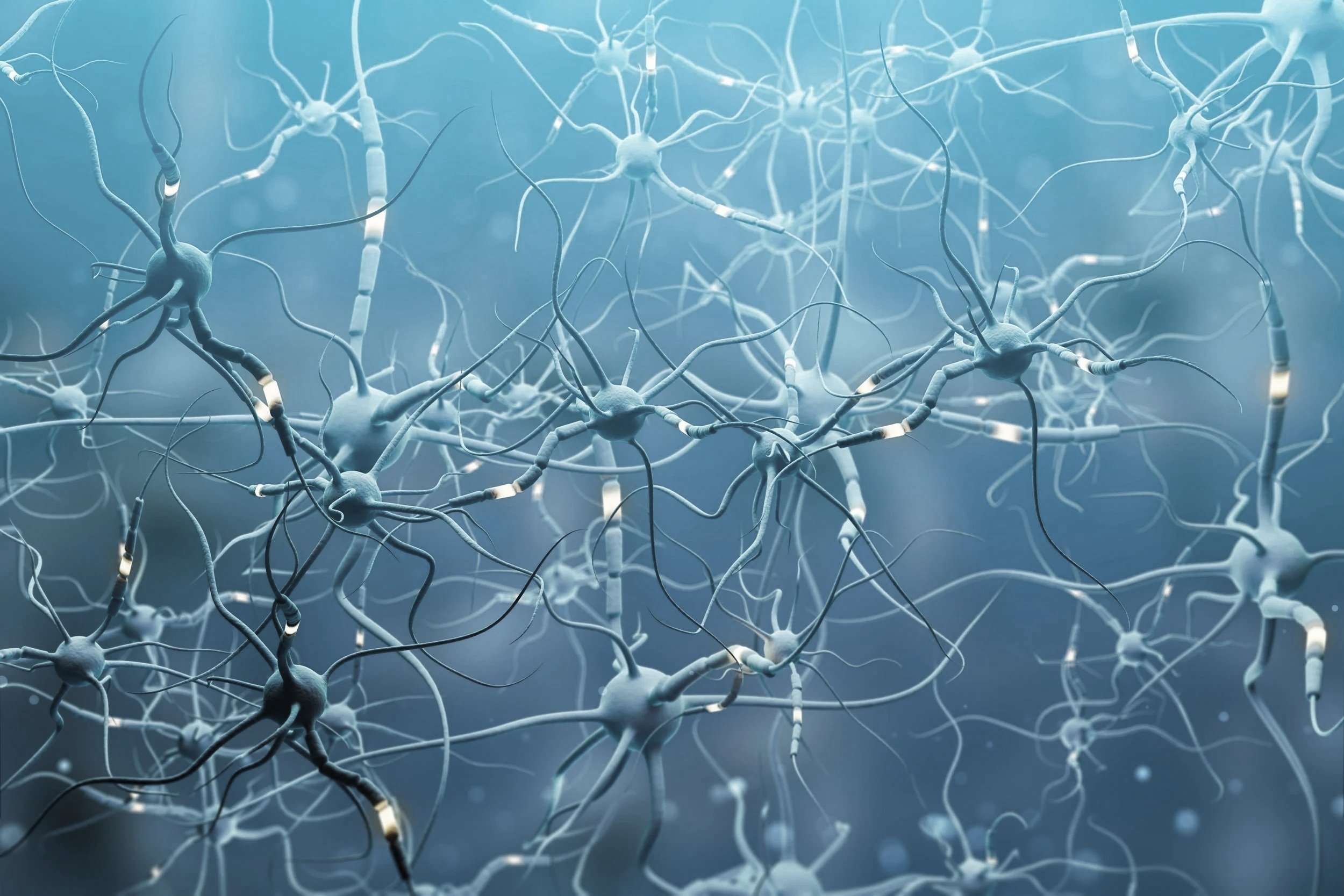
Neurosensory Integration focuses on strengthening the brain-body connection and improving nervous system regulation. We address:

Autonomic Nervous System Regulation
Supporting balance between the sympathetic, parasympathetic, and vagal systems to help children shift from survival states (fight, flight, freeze) into states of safety and social engagement essential for healing and learning.
Motor Skill Delays & Functional Movement Limitations
Addressing abnormal muscle tone, poor coordination, delayed milestones, and inefficient movement patterns.
Primitive Reflex Integration
Identifying and integrating retained primitive reflexes to improve postural control, motor development, coordination, and emotional regulation.
Brain Hemispheric Imbalance
Enhancing left-right brain communication and coordination between frontal, parietal, temporal, cerebellar, and vestibular systems.
Sensory Processing Challenges
Helping children appropriately process and respond to sensory input through targeted, play-based sensory experiences that improve regulation, motor planning, balance, and coordination.
Tone Dysregulation & Vagal Dysfunction
Supporting improved muscle tone, ANS balance, and overall physical and emotional wellbeing through gentle hands-on care and vagal stimulation strategies.
How Neurosensory Integration Works:
Assessment
A comprehensive evaluation is performed to assess autonomic nervous system function, sensory processing and retained primitive reflexes, muscle tone, posture, and motor control, cortical, cerebellar, and vestibular involvement, eye movement patterns and hemispheric activity, emotional and behavioral regulation, and movement patterns to guide habilitation and rehabilitation.
2. Treatment
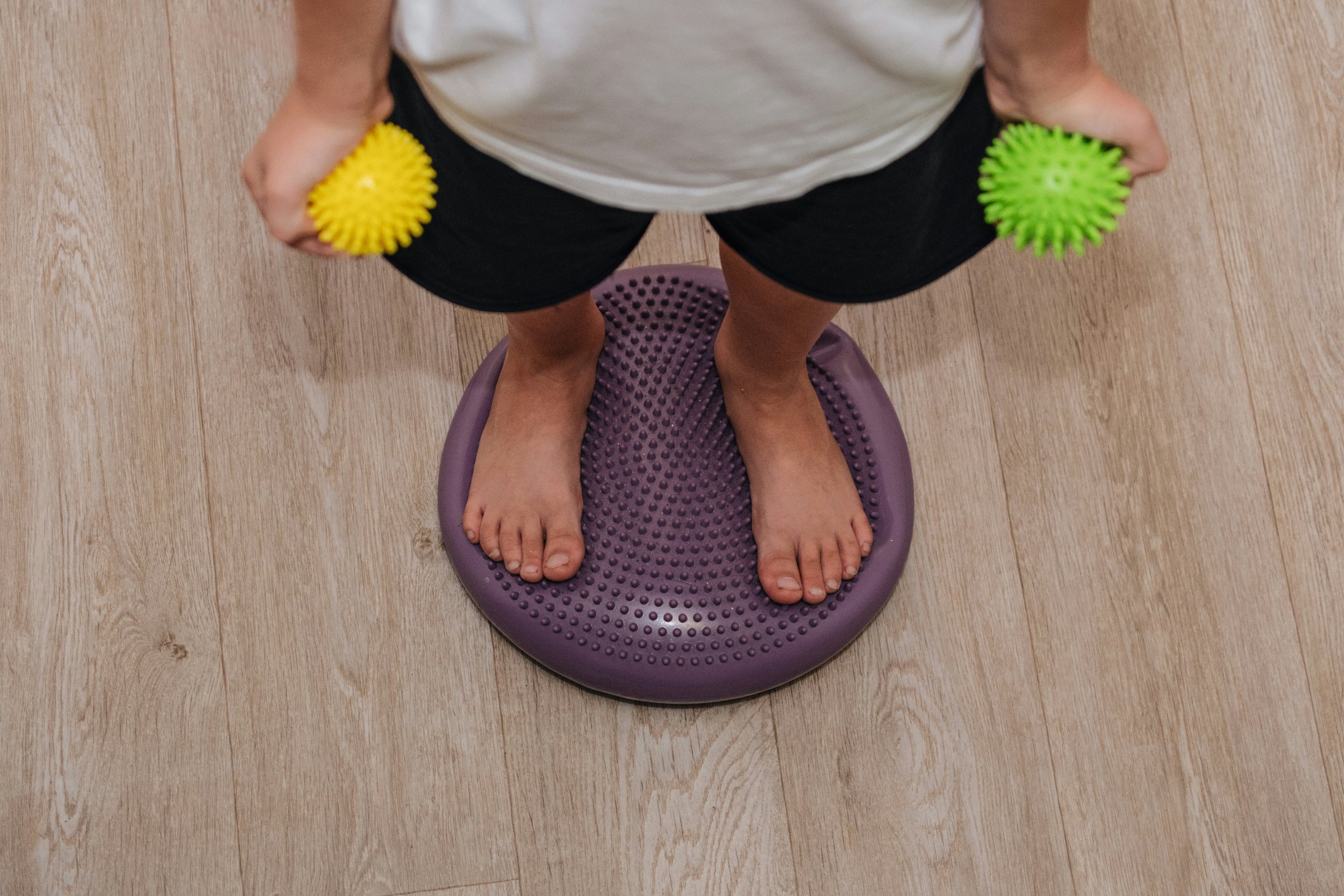
Based on the findings, we create a customized treatment plan that may include neurodevelopmental techniques to improve postural alignment and motor control, visual and vestibular stimulation to enhance balance and coordination, rhythmic auditory stimulation to support timing and gait development, brain-based exercises to strengthen impulse control and hemispheric integration, motor learning activities that emphasize repetition and functional application, sensory-motor play to organize and challenge sensory systems, and gentle chiropractic adjustments with vagal stimulation to promote optimal nervous system regulation.
-
Treatment is designed to promote measurable brain adaptation and long-term change.
-
Children are actively engaged through movement-based, play-driven, and task-oriented therapy.
-
We address neurological, sensory, motor, and emotional systems together rather than in isolation.
-
Parents are equipped with education and home strategies to support progress outside the clinic.
Joint stability is critical to preventing injury and maintaining alignment, while mobility allows for proper movement through functional ranges. An imbalance—such as hypermobility without adequate stability, or restricted mobility from tight or inflamed tissues—can lead to pain, compensatory patterns, and chronic dysfunction. Addressing biomechanical integrity by improving movement quality (mobility), neuromuscular control, and joint alignment supports long-term recovery and resilience in musculoskeletal health as well as overall function.
-
Care is tailored to each child’s neurological profile and developmental needs.

Who can benefit from ART?
Neurosensory Integration care benefits children experiencing:
• Autism Spectrum Disorders (ASD)
• ADHD and Sensory Processing Disorders
• Cerebral Palsy and Traumatic Brain Injury
• Down Syndrome and Developmental Delays
• Movement Coordination Disorders
• Hypotonia, Hypertonia, and Retained Primitive Reflexes
• Delays in speech, motor skills, or emotional regulation
What to expect:
Sessions are hands-on, movement-based, and child-centered. Care is structured yet playful, designed to challenge the nervous system while maintaining a sense of safety and engagement.
Families frequently observe improvements in emotional regulation, posture and coordination, motor skills and functional independence, attention and impulse control, as well as overall balance and body awareness.
Treatment frequency varies depending on the child’s needs, with progress monitored through measurable functional outcomes.