
PELVIC FLOOR DYSFUNCTION
Anatomy & Physiology:
The pelvic floor is a complex group of muscles, ligaments, and connective tissues that form a supportive hammock at the base of the pelvis. It plays a vital role in bladder and bowl control, sexual function and core stability. Functionally, the pelvic floor acts as a dynamic platform that holds pelvic organs in their proper position. When functioning properly it prevents organ prolapse and helps maintain continence. The pelvic floor works in coordination with the diaphragm, abdominal muscles and deep spinal stabilizers. Together, these muscles regulate intra-abdominal pressure and stabilize the spine during movement.

Common Conditions & Injuries: Common Diagnoses:
• Pelvic pain
• Postpartum pelvic dysfunction
• Urinary incontinence
• Diastasis recti
• Interstitial Cystitis
• Pelvic organ prolapse
• Rib flare
• Chronic ow back pain
• Chronic SI joint pain
Common Causes of Injury :
• Pregnancy and Childbirth (pressure on pelvic floor increases as baby grows)
• Chronic straining
• High-Impact Exercise (repetitive, jumping, running, heavy lifting)
• Aging and Hormonal Changes
• Muscle imbalance, poor canister coordination
• Pelvic Surgery
• Trauma (pelvic fractures, falls or direct injury to the pelvis)
• Obesity
-
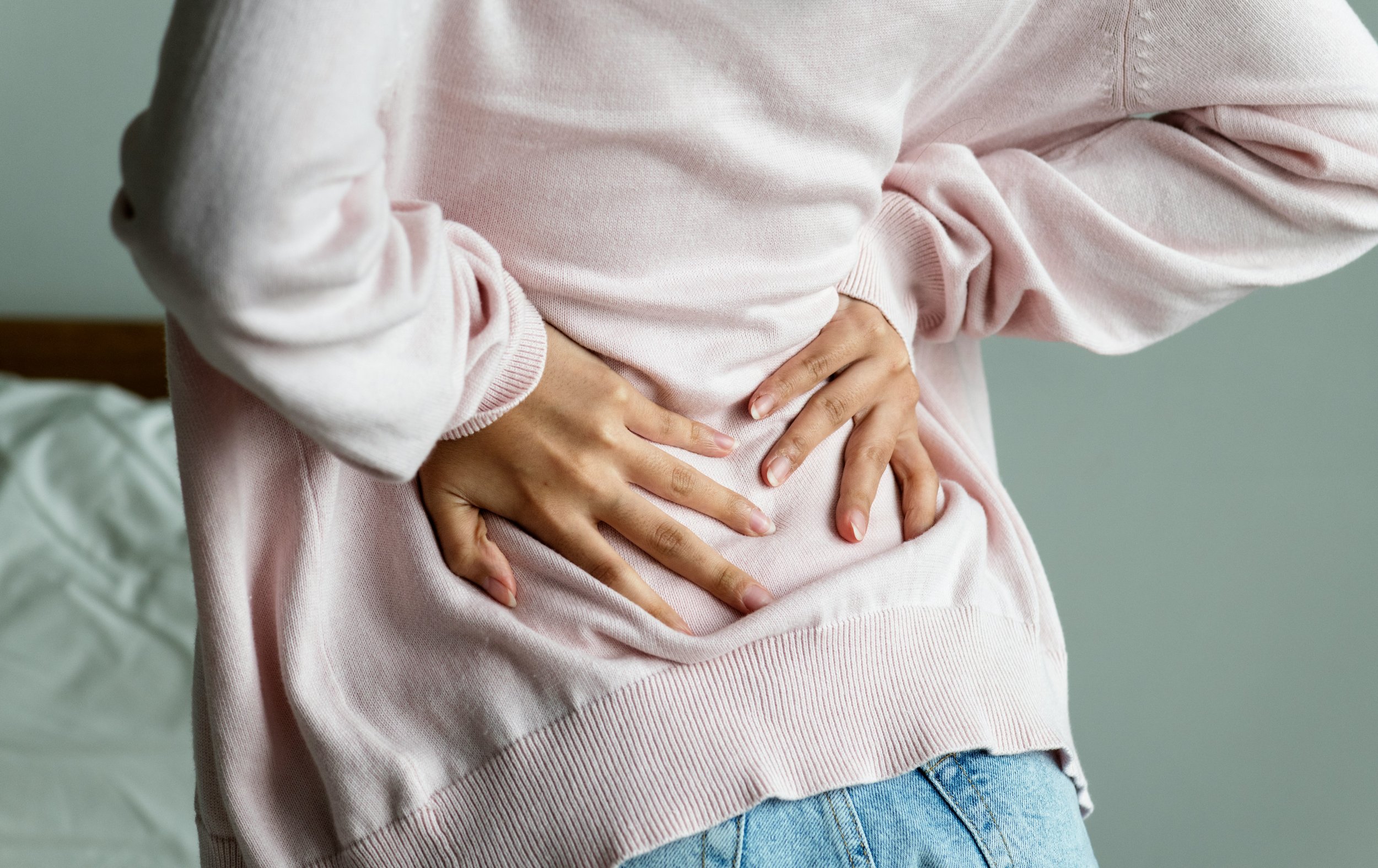
Leakage, pelvic pressure/heaviness, pelvic pain, low back pain, SI joint pain, abdominal weakness.
-
The pelvic floor is not just a simple muscle group; it’s part of a complex pressure and stability system involving the entire core. It is important to know, pelvic floor injury does not always mean weakness, in some cases, muscles become tight or overactive due to stress, trauma or compensation patterns. Not getting to the root cause creates difficulty in achieving optimal canister pressure, muscle coordination and balance in the pelvis.
-
At NorCal Spine & Sport, we utilize the most comprehensive care in the area to provide an optimal approach to treatment. Our goals are relief, freedom, and balance which allow us to deliver a functional treatment that focuses on stability and function. By combining soft tissue therapy, functional neurology, proper canister function, electro-shockwave therapy, Class IV laser therapy, rehabilitation therapy, chiropractic care, and much more, NorCal Spine & Sport continues to deliver cutting edge treatment that provides effective relief for many conditions.
-
Types of Treatment Techniques
• Pelvic floor therapy
• Functional neurology
• Chiropractic therapy
• Targeted exercise/relaxation therapy (restore coordination)
• Canister pressure assessment and regulation
• Electro-shockwave therapy (ESWT) to l
• Class IV laser therapy
• Soft tissue or myofascial therapy (Active Release Therapy (ART), Graston Therapy)
• Postural and ergonomic education
• Stress management and lifestyle modification
By utilizing these treatment techniques, our goal is to provide optimal pressure and coordination in the pelvic floor and cannister, decreasing compensatory patterns and dysfunction. These non-invasive techniques also stimulate blood flow, promote cellular regeneration, breakdown scar tissue and reduce inflammation. The goal of our approach is to restore healthy muscle tone and balance that will allow the body to continue to heal and ultimately prevent further injury.
Shockwave therapy delivers targeted acoustic waves deep into tissues. This non-invasive technique stimulates blood flow, promotes cellular regeneration, breaks down scar tissue, and reduces inflammation. It is especially effective in treating chronic soft tissue injuries and stubborn pain conditions where healing has stalled.
Soft tissue work (e.g., myofascial release, Graston technique) Corrective exercises for strength and mobility
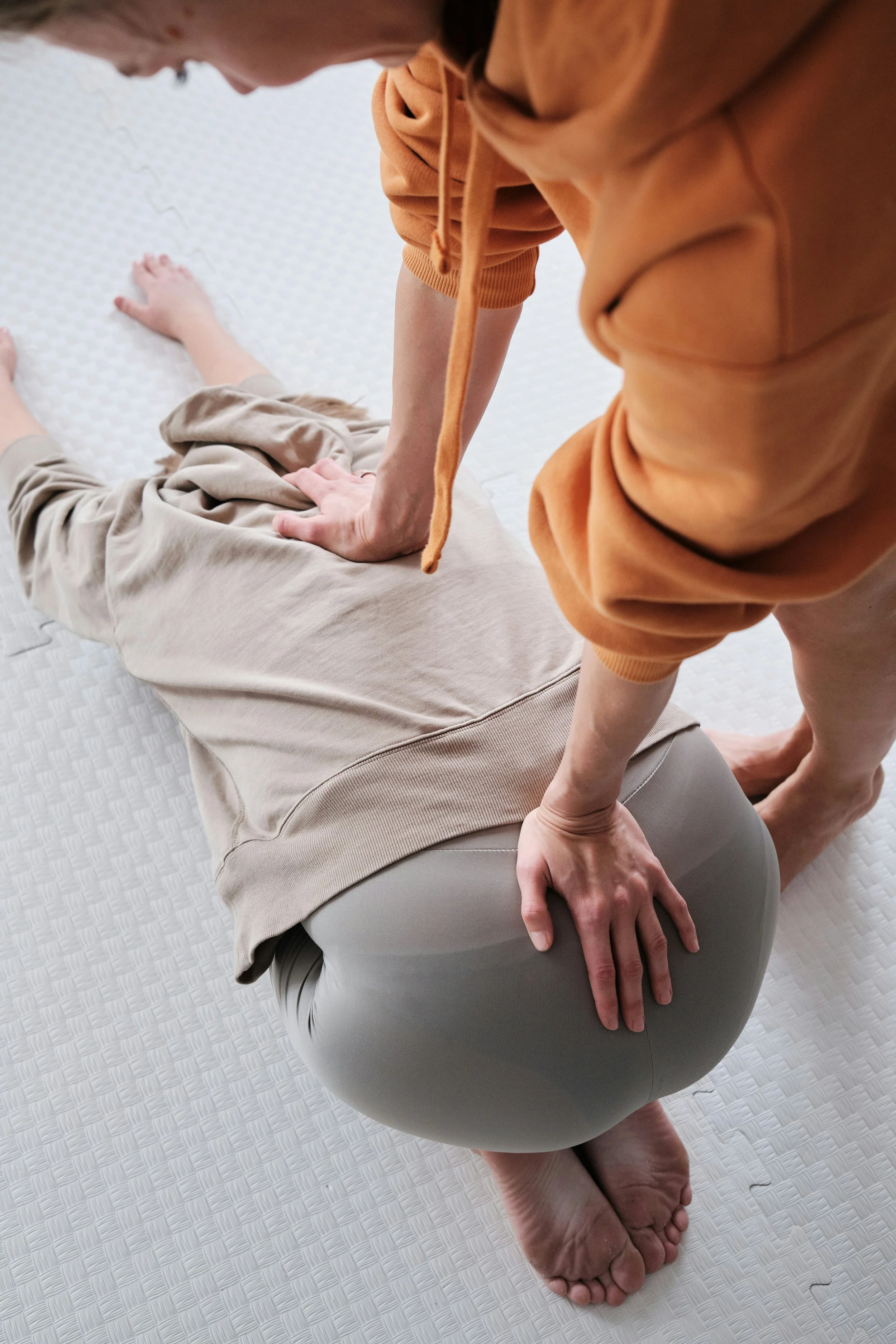
Chiropractic adjustments restore pelvic alignment, relieve pelvic floor tension and support healthy nerve function-helping the pelvic floor work in better coordination with the core and spine.
Shockwave therapy to address scar tissue Soft tissue work (e.g., myofascial release, Graston technique)
Enhancing neuromotor function to improve coordination and promote optimal pelvic floor engagement