
PEDIATRIC CHIROPRACTIC (CACCP)
A CACCP (Certified by the Academy Council of Chiropractic Pediatrics) chiropractor has completed a 200-hour, 22-course post-graduate certification through the International Chiropractic Pediatric Association (ICPA). This advanced training includes pediatric assessment, nervous system regulation, developmental milestones, neuroplasticity, and gentle adjusting techniques specific to infants, children, and teens.
This training goes significantly beyond standard chiropractic education.
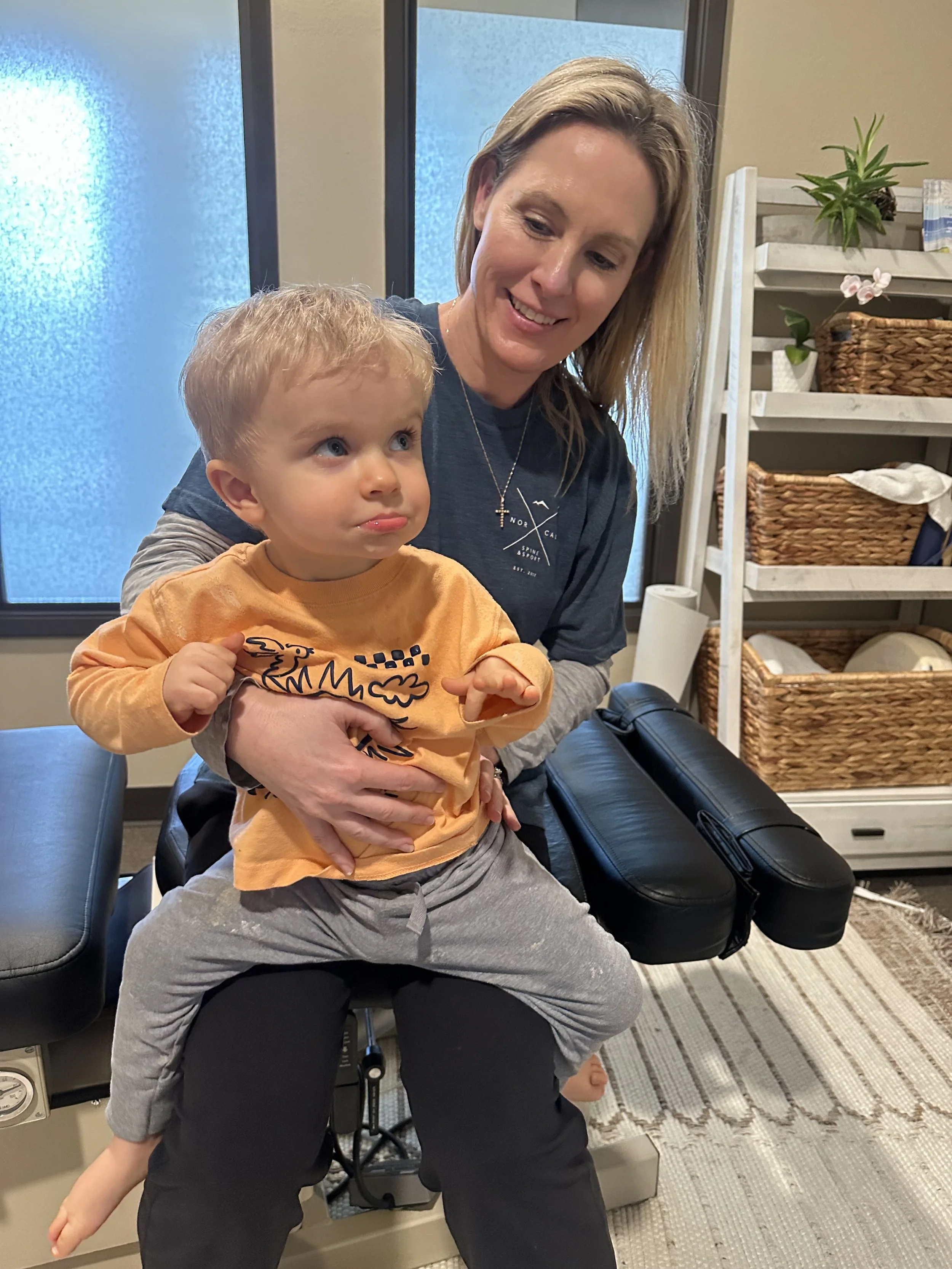
Benefits of Pediatric CACCP Care:

PEDIATRIC, HOLISTIC, FOCUSED CARE
They take a whole-body nervous system-centered approach consistent with ICPA principles. Care emphasizes gentle, specific chiropractic adjustments supporting autonomic nervous system regulation and neuromusculoskeletal balance. Supportive techniques include craniosacral technique, sensorimotor integration, targeted cortical and cerebellar engagement, and primitive reflex integration. This comprehensive family-centered model supports regulation, healthy neurologic development, adaptive capacity, and overall wellness for growing brains and bodies.
ENHANCED ATHLETIC PERFORMANCE
Many CACCP’s work with young athletes by supporting cerebellar function. The cerebellum plays a vital role in balance, coordination, timing and motor learning. By supporting cerebellar function, athletes can improve movement, efficiency, reaction time and body control patterns.
HIGHER LEVEL OF EXPERTISE
A CACCP has achieved a higher level of expertise and specialization in the care of infants, children, teens and prenatal patients, offering a more in-depth and comprehensive approach that supports healthy growth, nervous system development and alignment.
For more information: https://icpa4kids.com
Why specialized care matters:
CACCP chiropractors receive extensive additional education to specifically address:
• Autonomic Nervous System regulation
• Vagus nerve stimulation
• Retained Primitive Reflex integration
• Latching difficulties
• Palate, dura and meningeal alignment
• Lingual and frenulum revision (pre- and post-operative therapy)
• Cranial alignment
• Cortical and cerebellar tone
• Gas, constipation and digestive problems
• Behavioral issues
• Sleep challenges
• Functional neurology
• Emotional and behavioral regulation
• Muscle tone
• Immune system support
Techniques may include:
• Sacro-Occipital Technique (SOT)
• Cranial work
• Craniofacial therapies
• Sensorimotor integration
• Primitive reflex integration
Main focus areas:
Nervous system-centered care, Primitive Reflex integration, Functional Neurology
Conditions Commonly Addressed in Pediatric Care:
• Developmental delays or challenges
• Colic
• Torticollis
• Plagiocephaly
• Pediatric reflux
• Frequent infections
• Breastfeeding difficulties
• Bladder control / bed wetting
• Tongue-tie revision support
• TMJ (teeth grinding)
• Headaches
• Ear pain
• Hip dysplasia
Care focuses on:
• Supporting natural development
• Enhancing neuromotor function
• Promoting nervous system regulation
• Whole-body, holistic wellness
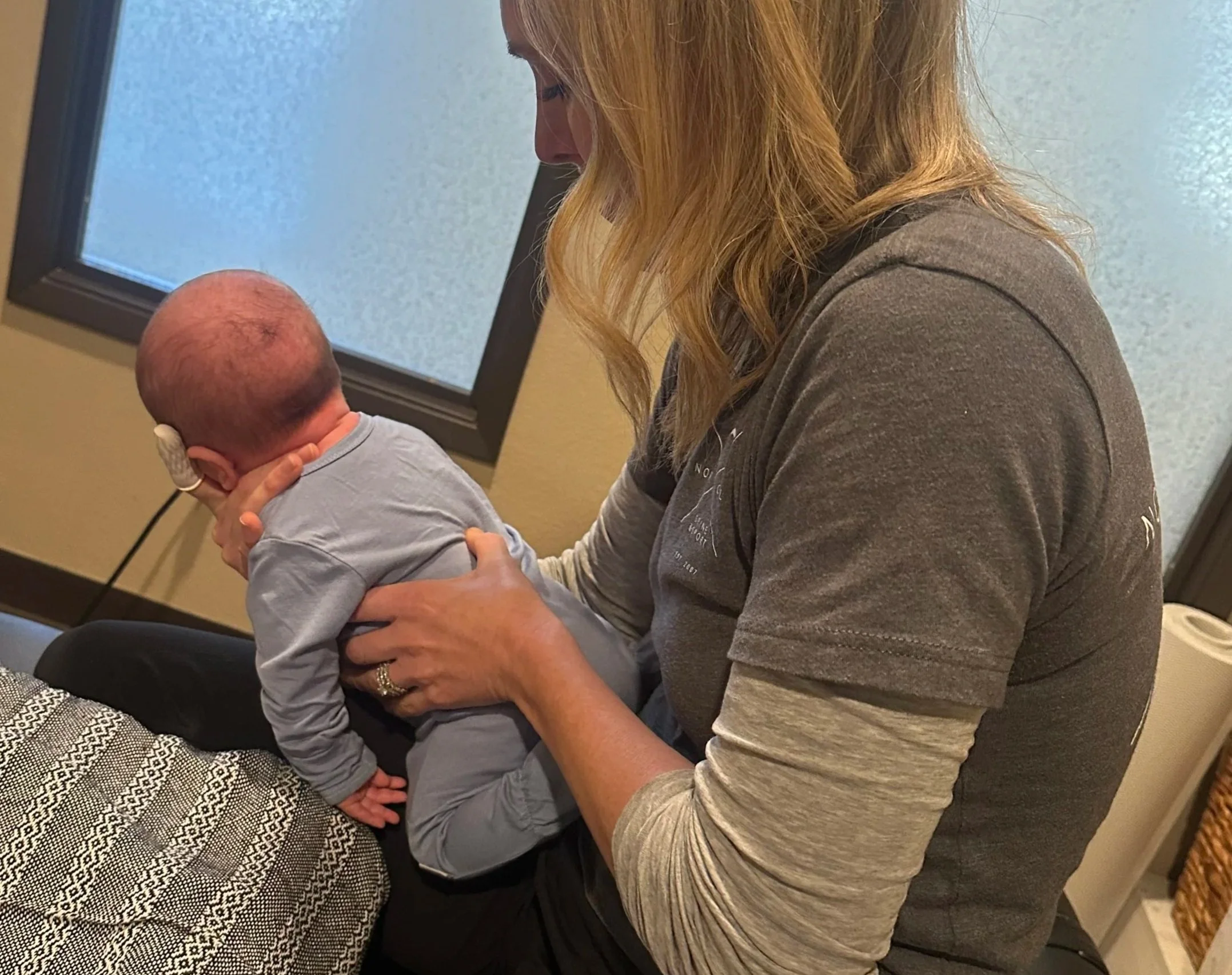
What to Expect with Pediatric Care:
Gentle and specialized chiropractic care tailored to the unique needs of infants, children, and teens. The main focus is supporting each child’s natural development and promoting overall well-being in a safe and nurturing environment.
As part of a comprehensive approach to pediatric care, strategies may be discussed to support overall well-being. This may include guidance on healthy habits and when appropriate recommendations for nutritional support and convenient access to professional grade supplements. Care is provided in collaboration with families to address individual needs identified during assessment, with a focus on growth, development, and long-term health.