
PELVIC FLOOR CHIROPRACTIC
Perinatal Certification represents advanced training in pelvic floor assessment and care through the International Chiropractic Pediatric Association (ICPA). This certification reflects specialized competency in evaluating and managing neuromuscular, biomechanical, and physiological factors that influence pelvic floor function, core stability, respiratory mechanics, and their relationship to spinal and pelvic alignment.
Practitioners have an in-depth understanding of pelvic floor coordination, deep core integration, diaphragm mechanics, and nervous system regulation as they relate to pelvic health and overall function.
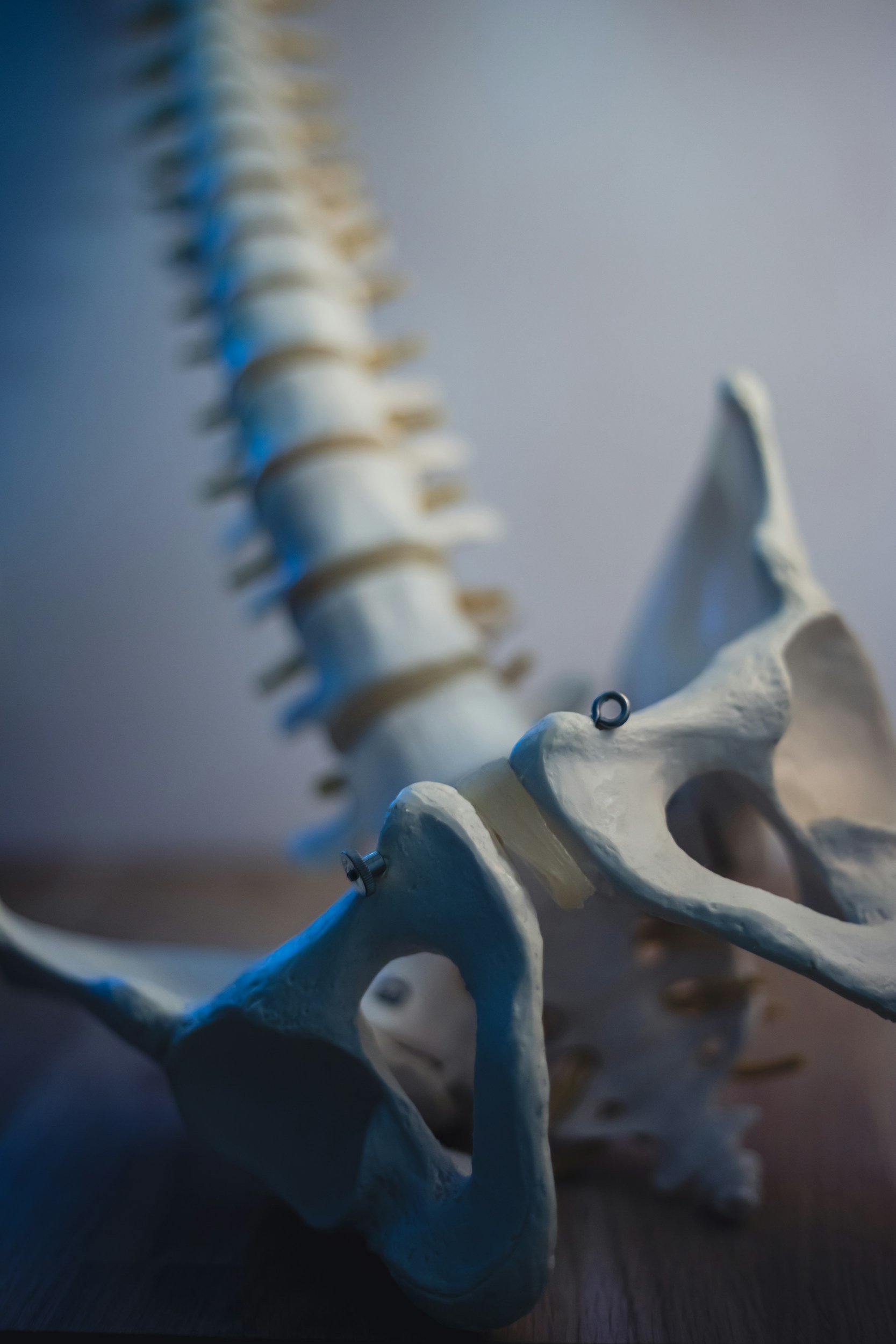
Main Focus Areas:

Pelvic Floor Function
Proper activation to support abdominal integrity and bladder health.
Deep Core Stabilizers
Coordinated core activation to support the pelvic floor and abdominal wall.
Healthy Pelvic Alignment
Optimizing biomechanics to support movement, stability, and organ function.
Why Specialized Care Matters:
A certified practitioner has completed extensive additional education to specifically address:
• Pelvic floor function, coordination, and strength
• Deep core intrinsic stabilizing muscle
• 360-degree diaphragmatic breathing
• Autonomic nervous system regulation
• Vagus nerve stimulation
• Functional neurology
• Pelvic alignment
• Abdominal wall dysfunction
• Rib flare and rib gripping
• Bladder health support
Specialized Expertise:
Completion of extensive coursework in pelvic floor care, including:
• Pelvic anatomy and biomechanics
• Nervous system regulation
• Breath and pressure mechanics
• Gentle chiropractic adjustment methods
• Core and pelvic floor integration strategies
This advanced training goes significantly beyond the basic adjustments received in standard chiropractic education.

-
Care is delivered from a holistic and salutogenic perspective, utilizing a proactive and integrated approach that addresses the interconnected systems influencing:
• Pelvic floor coordination
• Core stability
• Spinal and pelvic alignment
• Breathing mechanics
• Nervous system balanceBy supporting these systems together, care promotes improved movement, stability, organ function, and overall pelvic health.
Conditions Commonly Addressed:
• Diastasis Recti
• Interstitial Cystitis
• Urinary urgency, frequency, and incontinence
• Pelvic organ prolapse
• Rib flare and rib gripping
• SI joint hypermobility
• Osteitis Pubis
• Symphysis Pubis Dysfunction (SPD)
• Pelvic floor weakness
• Low back pain
• Hip pain
• Acid reflux
• Gas, constipation, and digestive concerns
• TMJ (teeth grinding)
• Headaches -
Diastasis Recti
Symphysis Pubis Dysfunction (SPD)
Interstitial Cystitis
Incontinence
Low Back Pain
Hip Pain
Acid Reflux
-
Spinal and Pelvic Alignment for Pain Relief and Optimal Function
Optimizing spinal and pelvic alignment supports joint mobility, ligament balance, posture, and efficient movement patterns.
Gentle techniques help reduce low back pain, hip pain, and pelvic discomfort by improving load distribution and mechanical stability.
-
Assessment and support of diaphragmatic breathing and deep core activation improves:
• Pressure management
• Spinal stability
• Pelvic floor coordination
• Rib mobility
• Breath efficiency and oxygenationOptimized diaphragm function may also reduce digestive discomfort, including acid reflux.
-
Gentle adjustments combined with breath-based strategies encourage parasympathetic activation, supporting relaxation, stress resilience, and improved pain modulation.
-
Supporting proper pelvic floor activation, deep core coordination, breathing mechanics, and rib mobility may reduce the severity of conditions such as:
• Diastasis recti
• Pelvic organ prolapse
• Urinary incontinence
• Interstitial cystitis